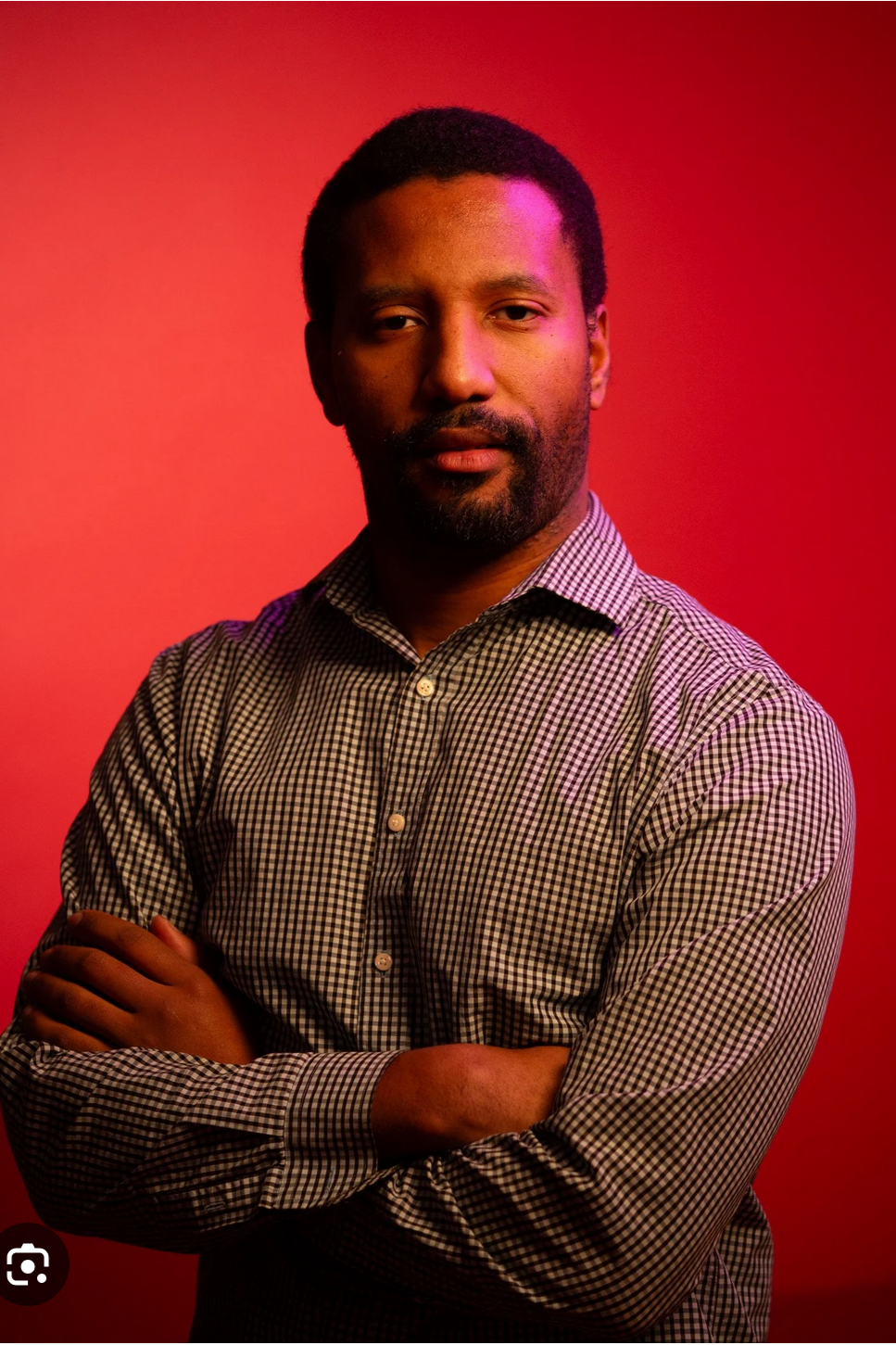
Back in October, we reintroduced the story of Pedro Espada Jr., a Bronx elected Public servant who was found guilty of exploiting his constituents through elaborate financial fraud and nepotism during the early 2000s. The intention behind this reintroduction is to highlight the ongoing pattern of exploitation occurring within The Bronx through its network of Nonprofit Organizations (NPOs). NPOs, as we previously mentioned, are defined as entities that exist to further a social cause and serve a public benefit. This means the executive leadership of said NPOs are, by definition, Public servants in function, so therefore, we as the Public must be able to hold these individuals just as accountable as the ones who are elected via ballot. Which brings us to the title question: Who is Greg Hernandez?
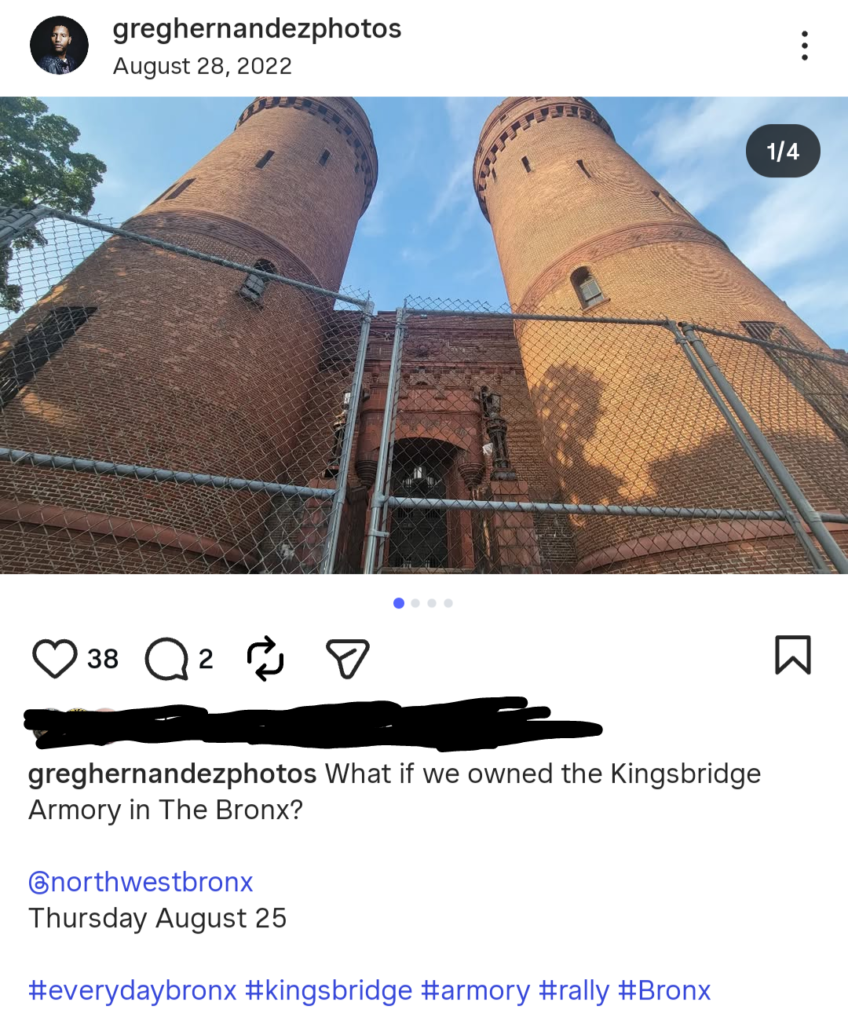
Greg Hernandez, a self-proclaimed “Bronx Native”, is a Bronx filmmaker and video producer who enjoys the collaborative process of making films and videos, and believes filmmaking to be one of the most inclusive art forms imaginable. Greg is also a Co-Founder of the “Bronx Film 48,” sole proprietor of Green Canvas Productions, as well as the Executive Director of the “Bronx Independent Cinema Center.” Greg is also reported by several community members, who have asked to remain anonymous at this time, to be a repeat sexual harasser.
Per the El-Hag & Associates, P.C. website, Sexual harassment in New York is defined as:
- Unwanted advances: This includes unwelcome come-ons, requests for sex, or demands for sexual favors.
- Requests for dates: Repeated and unwelcome requests for dates can also be considered sexual harassment.
- Sexist remarks: Making mean comments about someone’s sex or women or men in general is against the law, even if the comments are not sexual.
- Physical harassment: Inappropriate touching, invading personal space, or blocking someone’s path is not allowed.
- Criminal sexual contact: Rape and physical assault are serious crimes that are punished by law.
- Inappropriate pictures or messages: Sending sexually suggestive emails, texts, or posts on social media is considered sexual harassment.
- Unwanted gifts: Receiving sexual or offensive gifts from colleagues or supervisors is not acceptable.
- Sexual coercion: When someone pressures or threatens you into doing something sexual, it is considered sexual harassment.
- Harassment based on sexual orientation: It’s against the law to harass someone because of their sexual orientation, whether they’re gay, lesbian, bisexual, or transgender, or even if someone thinks they are.
Some examples of Sexual harassment:
- Asking someone about their romantic or sexual history.
- Sending inappropriate messages through text, email, or social media.
- Inappropriate hugging or touching.
- Making comments about someone’s appearance or clothing in a sexual way.
Over the course of the last year(2024-2025), roughly 10 or more individuals, including but not limited to colleagues and community members, have come forward with their respective reports of sexual harassment. The various reports highlight unwanted requests for dates, invitations to his home, inappropriate comments regarding physical appearance, including nicknames, as well as unwanted and inappropriate touching. During our investigation, we spoke with one individual who reported being stalked by Greg. Another individual who worked directly with Greg stated, “My friend told me in confidence and showed me that there were two other people who had also shared that they felt uncomfortable while working with Greg. He had made sexual jokes, and they just didn’t feel comfortable, so they stopped working with him.” In another instance, one individual stated that they were with Greg at an event of some sort, and Greg kept referring to their genitals by saying, “It’s showing. It’s showing” because at the time the individual was wearing pants that, according to Greg, seemed tighter than usual.
On another occasion, one individual who identifies as a Lesbian reported being out with their spouse, and Greg, who was not familiar with either of them and had just introduced himself earlier that evening, repeatedly invaded the limited amount of personal space available at the bar by leaning over their spouse’s shoulder with comments like “Don’t worry, I didn’t forget about you, we’ll talk soon”. According to the individual, neither they nor their wife wanted to engage with Greg and quickly left the establishment for another location. This is a problem.
According to Greg’s bio, he claims: “He believes filmmaking to be one of the most inclusive art forms imaginable,” and through his work at BICC claims to want to “amplify underrepresented voices”. How does one create a public and inclusive space? To host an inclusive space means to include everything that is expected and/or required by the guests you are hosting. Safety is a priority and expectation of the Public. Everyone in this borough, city, country, and planet wants to be safe, which begs the follow-up question: How can a reported alleged perpetrator of harm create an inclusive space, and do we, as the Public, even want to engage with this type of space once it exists?
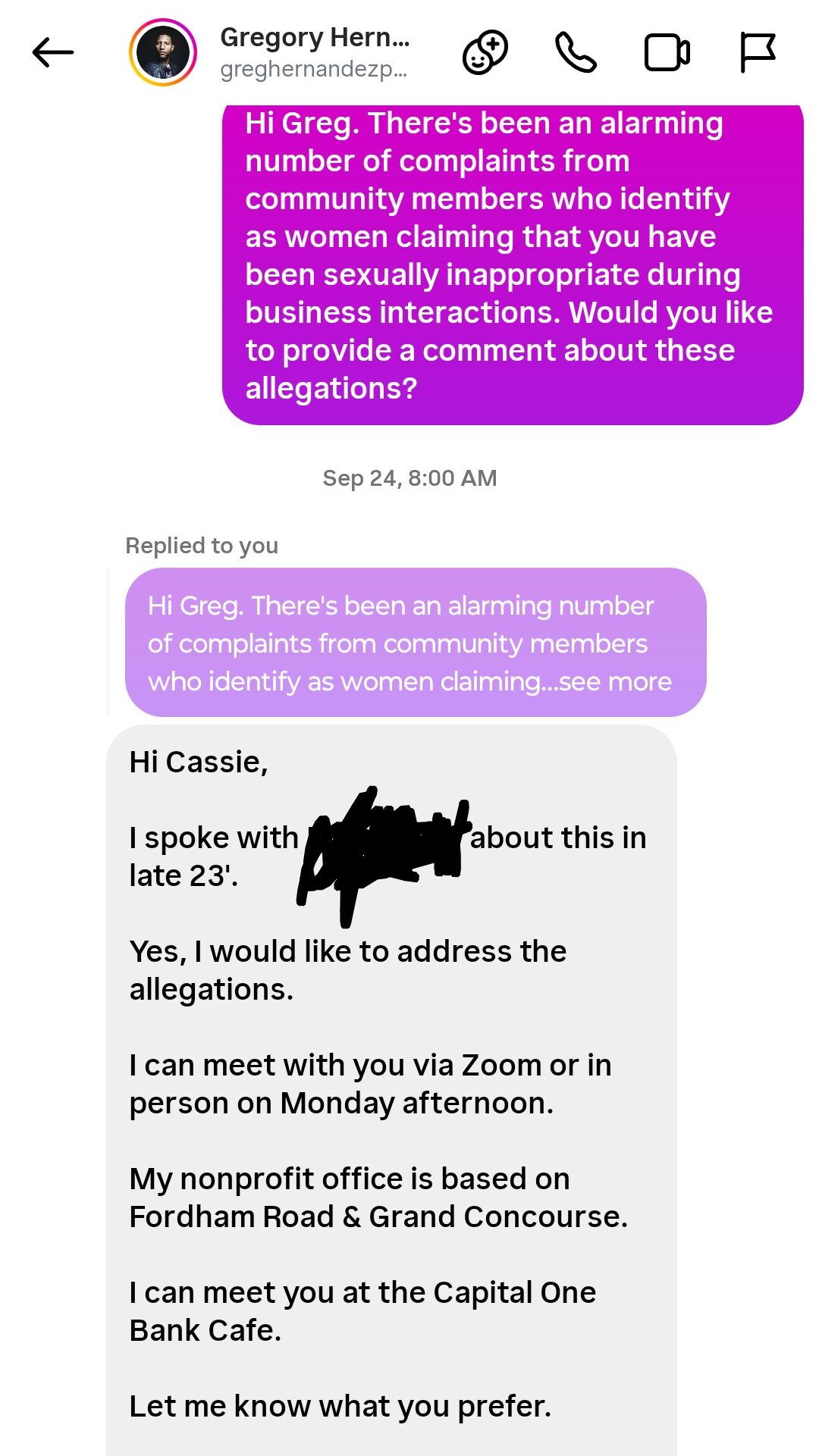
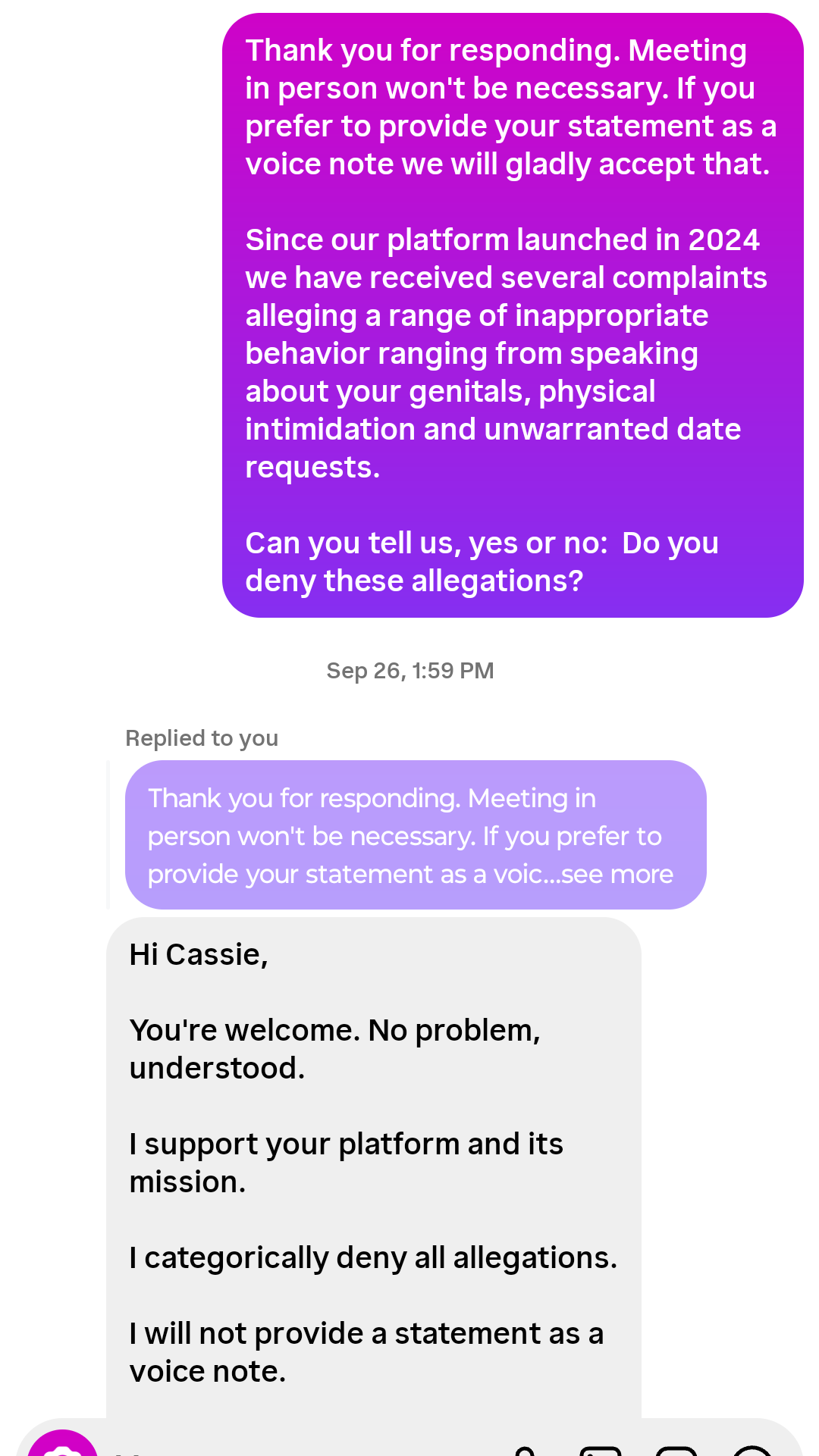
When we reached out to Greg to comment on the allegations, he initially agreed to address the reports and told us he would be able to meet in person to discuss the matter. When we clarified that an in-person meeting would not be necessary to obtain his statement, Greg provided a quick response, which included, “ I categorically deny all allegations. I will not provide a statement as a voice note.”
So who is Greg Hernandez? Greg is a public servant who is being accused of abusing the Public. The very same Public he is claiming to mentor and uplift. Greg is someone who has positioned himself as a gatekeeper to his alleged various “industry connections,” and it seems, according to the multiple experiences of our neighbors, the cost of entry is harassment. Please note that Greg is also currently looking for a permanent home for his NPO in The Bronx. Let that sink in.
Greg is an obstacle within the bullhorn of “amplifying underrepresented voices,” and obstacles must be removed.
Leave a Reply